
Emotional intelligence is a powerful tool that can reshape the way we connect with others, enhancing our relationships and improving our mental health.
In a world where emotional awareness is often overlooked, developing emotional intelligence becomes essential for nurturing meaningful connections. This guide presents 14 transformative strategies that not only elevate your self-awareness but also deepen your relationships with family, friends, and colleagues.
Let’s embark on this journey to emotional mastery and discover how these strategies can lead to a more fulfilling life.
1. Practice Self-Reflection

Self-reflection is the cornerstone of developing emotional intelligence. Taking the time to analyze your thoughts, feelings, and behaviors allows you to understand your emotional triggers and responses.
Regularly setting aside moments for introspection can reveal patterns in your emotional reactions and highlight areas for growth. Consider keeping a dedicated journal where you can document your feelings and reactions to daily events, fostering a deeper understanding of yourself and your emotional landscape.
This practice not only enhances self-awareness but also equips you with the tools to respond more thoughtfully in your relationships.
2. Cultivate Empathy

Empathy is the ability to understand and share the feelings of others. To cultivate empathy, actively listen to the people around you without judgment.
Engaging in conversations where you truly seek to understand the other person’s perspective can build stronger connections. Try to put yourself in their shoes, considering their emotions and experiences. This practice not only enriches your relationships but also fosters a more compassionate outlook on life. Empathy allows us to bridge emotional gaps, making us more effective communicators and partners.
3. Improve Your Communication Skills

Effective communication is fundamental to maintaining healthy relationships. Focus on expressing your thoughts and feelings clearly while also being receptive to others.
Practice active listening by summarizing what others say before responding, ensuring they feel heard and valued. Nonverbal cues, such as eye contact and body language, also play a significant role in communication. By honing these skills, you can foster a more open and honest dialogue, which is vital for emotional well-being and relationship satisfaction.
4. Manage Your Emotions

Emotional regulation is crucial for developing emotional intelligence. When you feel overwhelmed, take a step back and practice grounding techniques.
This could include deep breathing exercises, mindfulness meditation, or simply taking a short walk to clear your mind. Learning to recognize and label your emotions can also empower you to manage them more effectively. By gaining control over your reactions, you can navigate conflicts and challenges in your relationships with grace and clarity.
5. Set Boundaries

Establishing healthy boundaries is essential for maintaining emotional well-being. By communicating your limits clearly, you protect your emotional space and foster mutual respect in relationships.
Begin by identifying areas where you feel overwhelmed or compromised, then express your needs calmly and assertively. Remember, boundaries are not walls; they are guidelines that promote healthy interactions. Practicing this can lead to more balanced and fulfilling relationships, allowing both parties to thrive.
6. Embrace Vulnerability

Vulnerability is often misunderstood as weakness, but it is actually a powerful tool for building deep connections. Allowing yourself to be open and honest with your feelings invites others to do the same.
Share your thoughts and experiences, even if they make you feel exposed. This transparency fosters trust and encourages authentic relationships. Embracing vulnerability creates a safe space for emotional exchanges, enriching your connections and enhancing your emotional intelligence.
7. Foster Self-Compassion

Self-compassion involves treating yourself with kindness and understanding, especially during difficult times. Instead of being overly critical, practice self-acceptance and recognize your shared humanity.
Engaging in self-compassion can enhance your emotional resilience, allowing you to bounce back from setbacks and approach relationships with a more positive mindset. This nurturing attitude not only benefits you but also radiates into your interactions with others, promoting a healthier emotional environment.
8. Develop Conflict Resolution Skills

Conflict is a natural part of any relationship, but how we handle it can define the strength of our connections. Learning effective conflict resolution skills can transform disputes into opportunities for growth.
Focus on finding common ground and approaching disagreements with a collaborative mindset. Practicing techniques such as ‘I’ statements can help express your feelings without assigning blame. By navigating conflicts constructively, you can strengthen your relationships and enhance your emotional intelligence.
9. Learn to Accept Feedback

Receiving feedback can be challenging, but it is a crucial aspect of personal growth. Cultivating the ability to accept constructive criticism with grace is essential for developing emotional intelligence.
Instead of becoming defensive, view feedback as an opportunity to learn and improve. Practice active listening when receiving feedback and ask clarifying questions to ensure you understand. This openness not only enhances your self-awareness but also demonstrates emotional maturity in your relationships.
10. Cultivate a Growth Mindset
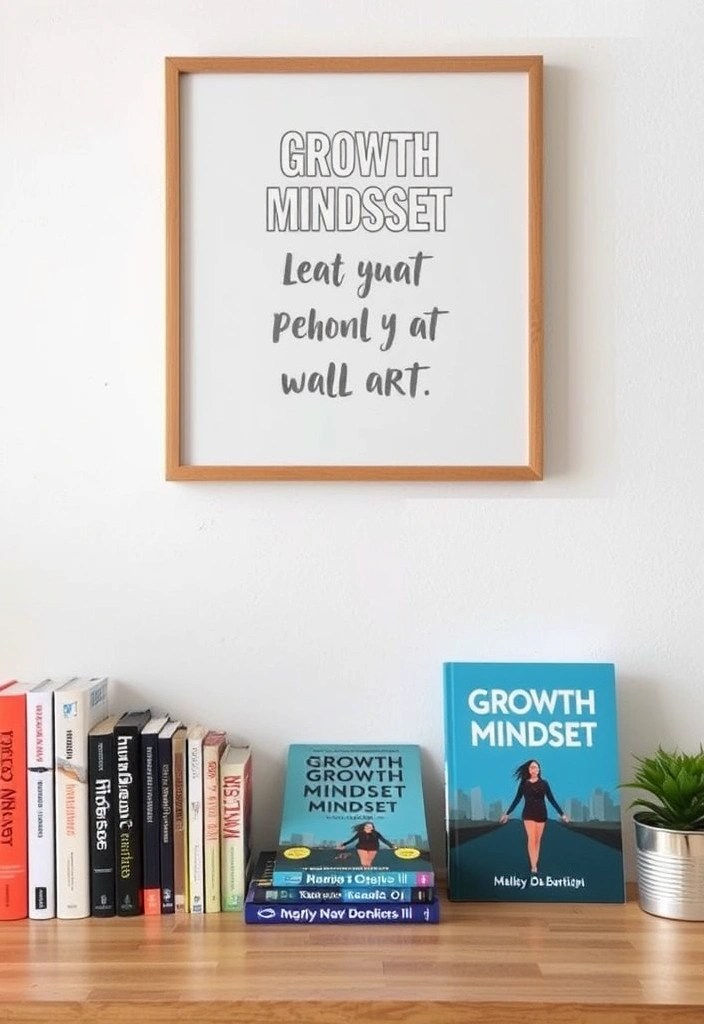
Adopting a growth mindset involves embracing challenges as opportunities for development rather than viewing failures as setbacks. This perspective fosters resilience and encourages continual learning.
By reframing your thoughts and viewing obstacles as part of the journey, you can enhance your emotional intelligence and develop healthier relationships. This mindset shift promotes positivity and encourages those around you to grow as well, creating a nurturing environment for emotional development.
11. Prioritize Mental Health

Mental health plays a pivotal role in emotional intelligence. Prioritizing your mental well-being allows you to engage more fully in your relationships and manage your emotions effectively.
Engage in activities that promote mental health, such as therapy, exercise, and mindfulness practices. Regular self-care routines can uplift your mood and enhance your emotional resilience. By taking care of your mental health, you not only improve your own life but also positively impact those around you.
12. Engage in Active Listening

Active listening is a vital skill that enhances emotional intelligence and strengthens relationships. It requires fully concentrating, understanding, and responding thoughtfully to what others say.
To practice active listening, put away distractions and maintain eye contact, showing genuine interest in the conversation. Reflect back what you hear and ask open-ended questions to encourage further sharing. This deepens connections and fosters trust, proving that you value the other person’s perspective.
13. Celebrate Others’ Successes

Celebrating the successes of others is an important aspect of emotional intelligence. Instead of feeling envious, practice genuine happiness for others’ achievements.
This mindset fosters goodwill and strengthens your relationships. Acknowledging and celebrating others’ wins creates a supportive environment, encouraging them to share their successes with you in the future. This mutual support enhances emotional bonds and contributes to a positive atmosphere in your interactions.
14. Continue Learning About Emotional Intelligence

Emotional intelligence is not a destination; it’s a lifelong journey. Continuously seeking knowledge and resources about emotional intelligence can enhance your understanding and skills.
Engage with books, workshops, and online courses that focus on emotional intelligence and self-awareness. By committing to this ongoing learning, you can refine your skills and apply them effectively in your relationships, leading to personal growth and deeper connections.
Conclusion

Developing emotional intelligence is a transformative journey that enriches your relationships and enhances your overall well-being.
By implementing these 14 strategies, you can cultivate a deeper understanding of yourself and others, leading to more meaningful connections. Embrace this journey and witness the positive changes in your life and relationships.
 Live Inferno
Leave a comment